
Telling the Story of Military Sexual Trauma (MST) – One Map Marker at a Time.
This anonymous map allows MST survivors to safely share where their assaults occurred along with a few details about themselves, highlighting the human impact behind the statistics.
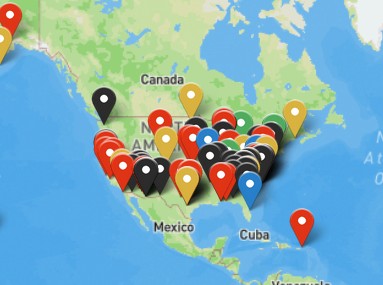
Why a map for Military Sexual Trauma (MST)?
A map for Military Sexual Trauma (MST) gives a visual, collective picture of something usually hidden in numbers and reports, helping survivors feel less alone and helping others grasp the scope and impact of MST. It turns scattered, painful experiences into a shared, anonymous landscape that can support healing, awareness, and change.
What this map is
- A crowd‑sourced map where MST survivors can anonymously mark where their experience occurred, using only the level of detail that feels safe.
- A way to make visible how widespread MST is so survivors can see patterns, reduce isolation, and understand that this did not “only happen to me.”
What this map is not
- Not a scientific study, official record, or verified data source; pins are unverified personal reports contributed by users.
- Not a source of medical, mental health, or legal advice, diagnosis, or treatment; visitors should seek qualified professional support for care and representation.
How it may help
- A first step for some survivors to acknowledge what happened, name it as MST, and begin seeking support.
- A source of comfort and validation for those who have carried MST silently for years, showing that others have endured similar harm and circumstances.

More About Placing a Marker
Placing a location marker on the Military Sexual Trauma (MST) map at the location of harassment and/or assault can be a difficult yet meaningful act, (please do not place a marker for where you reside).
- Adding your marker says “what happened to me matters,” and may help to pave the way for more positive changes.
- Seeing other markers may help you feel less alone, and encourage other survivors to feel safe enough to tell their own story on the map.
- Your marker will contribute to visualizing the true scope and scale of MST.
Revisiting Military Sexual trauma can be overwhelming and placing a marker on the map may seem like too much. This is a normal response and perhaps in the future you will be ready to visit again and place a marker.